
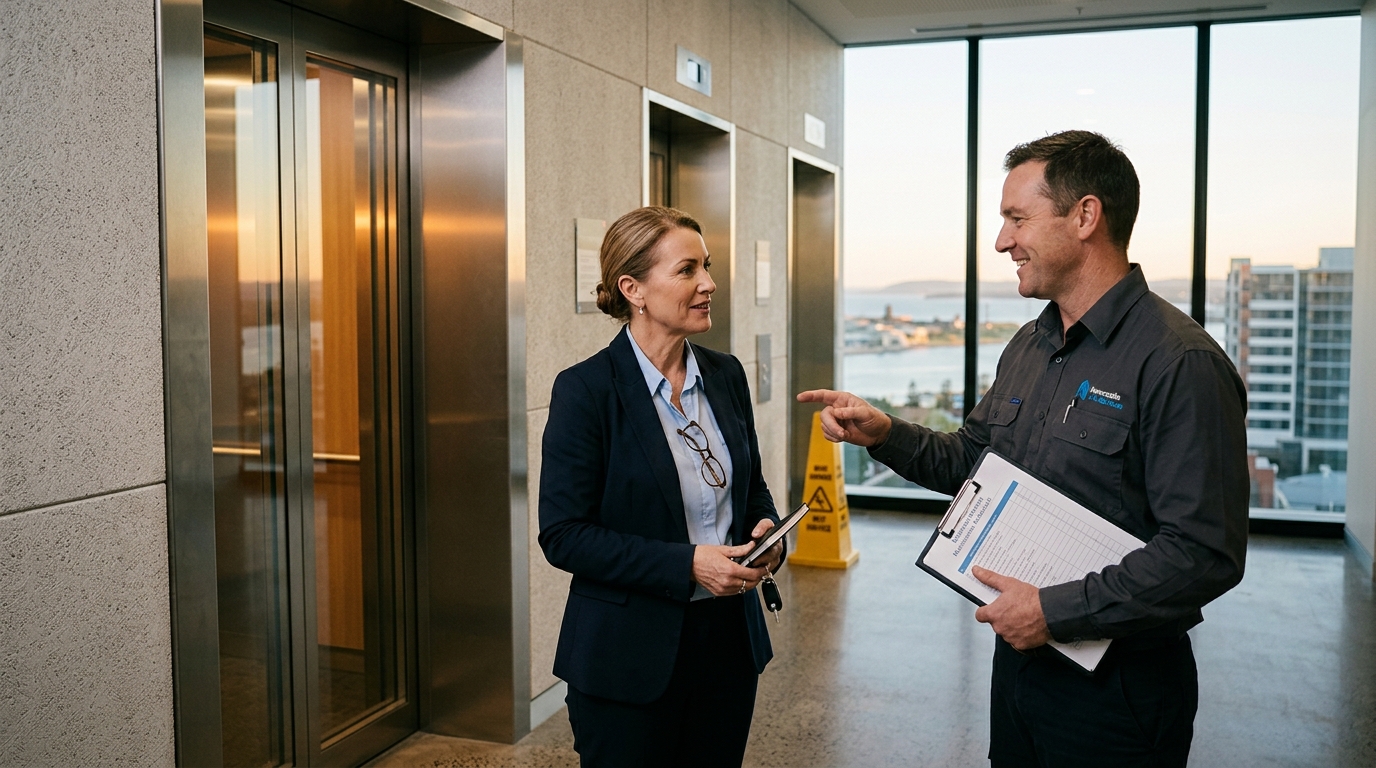
Whether you manage a commercial building, a strata complex, or a residential property with a lift, finding a dependable maintenance provider is one of the most important decisions you will make. Regular lift servicing is not optional in Australia; it is a legal requirement under workplace health and safety laws and Australian Standard AS 1735. Choosing the wrong provider can lead to costly breakdowns, compliance failures, and serious safety risks. This guide walks you through every step of evaluating, comparing, and selecting a lift maintenance company you can trust, with a focus on what matters most in the Newcastle, Hunter Region, and Central Coast areas.
Why Regular Lift Maintenance Matters
Lift maintenance is the scheduled inspection, testing, and servicing of lift equipment to ensure it remains safe and operational. In Australia, building owners carry the primary legal duty to keep their lifts compliant. Neglecting this responsibility can result in fines, equipment shutdowns, and liability in the event of an incident.
Proactive servicing catches worn components before they fail, reducing emergency callouts and extending the life of your equipment. A well-maintained lift also delivers a smoother ride for occupants and helps preserve property value. If your building is in the Newcastle or Hunter Region, having a local provider who can respond quickly to breakdowns is especially valuable.
Understanding Australian Lift Maintenance Standards
AS 1735 is the core Australian Standard governing the safety, installation, and ongoing maintenance of lifts, escalators, and moving walkways. It covers everything from design requirements and safety features to inspection protocols and servicing obligations. In New South Wales, lifts are classified as plant items that must be registered with SafeWork NSW, and records must be kept of all inspection and maintenance undertaken.
What Compliance Looks Like in Practice
A compliant maintenance program includes scheduled inspections at set intervals, testing of safety systems such as brakes, sensors, and emergency communications, and maintaining detailed logbooks. These service records serve as your proof of compliance during audits or incidents. Any reputable lift service provider will handle this documentation as part of their agreement.
Older Lifts and the Compliance Gap
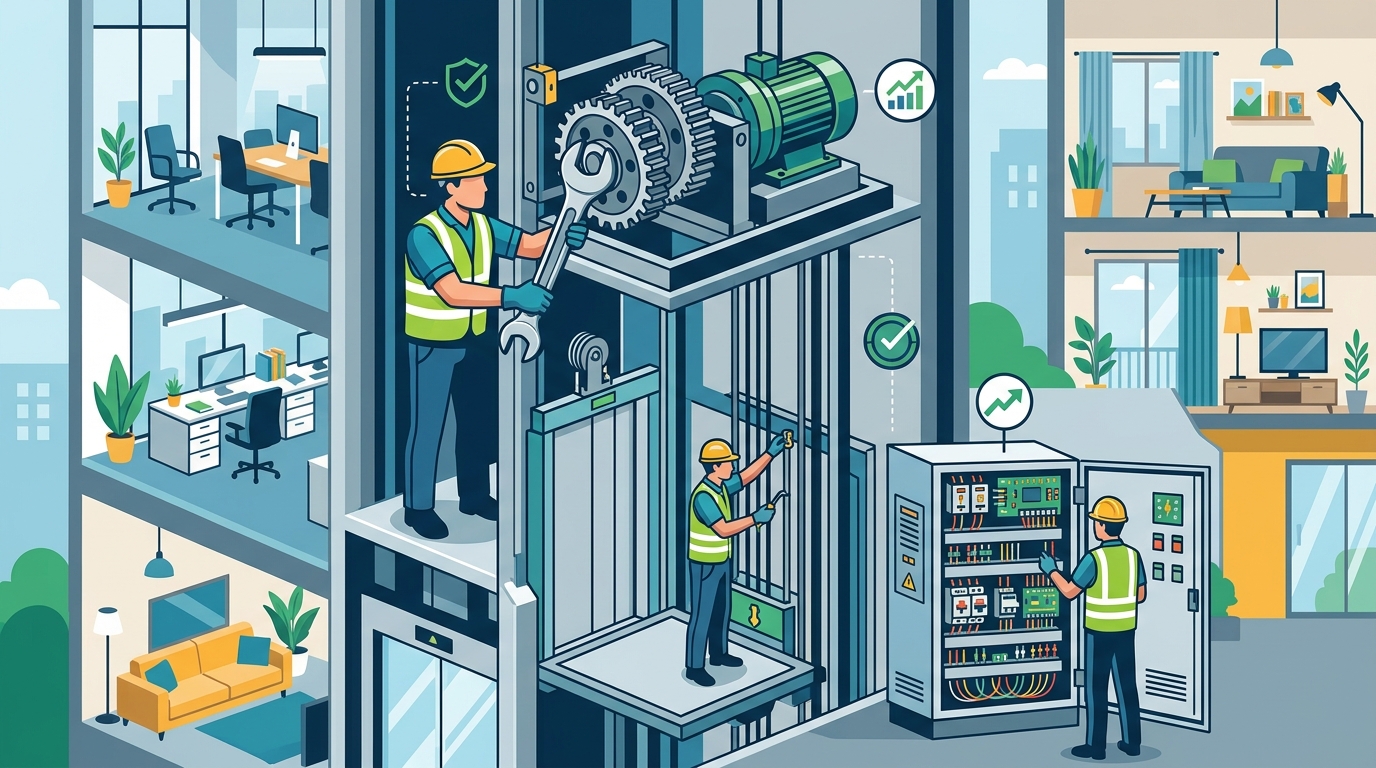
A lift that is 15 to 20 years old may function day to day but still fall short of the latest AS 1735 requirements. Older equipment may lack modern safety features or fail to meet current accessibility standards. This is where lift modernisation becomes a strategic necessity rather than an optional upgrade.
Key Qualities of a Reliable Lift Service Provider
Not every company offering lift maintenance delivers the same level of service. Here are the traits that separate a trustworthy provider from the rest.
Experience and Qualifications
Look for technicians with a proven track record and training with recognised lift manufacturers. Newcastle Lift Services, for example, employs technicians with over a decade of experience gained working with some of the world's leading lift experts. Certifications, trade licences, and ongoing training are non-negotiable.
Local Presence and Response Times
A local company is one that operates within your region, understands local building codes, and can attend emergency callouts within hours rather than days. For properties across the Central Coast, Lake Macquarie, and Hunter Region, a locally based team eliminates the delays common with large national operators.
Full-Service Capability
The best providers handle maintenance, repairs, replacements, modernisations, and new installations under one roof. This means one point of contact for every stage of your lift's lifecycle. Check the provider's full range of services before committing.
Questions to Ask Before Signing a Contract
Before you engage a lift maintenance company, get clear answers to these questions:
- Are your technicians licensed and insured for lift work in NSW?
- What is your guaranteed response time for emergency callouts?
- Do you provide detailed service reports and maintain logbooks?
- Can you service my specific lift brand and model?
- What does your maintenance agreement include, and what costs extra?
A transparent provider will answer these without hesitation. If a company is vague about inclusions or avoids discussing compliance documentation, consider it a warning sign.
Local vs National Lift Companies: A Comparison
| Factor | Local Provider | National Provider |
|---|---|---|
| Emergency response time | Typically 1 to 4 hours | Often 24 hours or more |
| Personalised service | Dedicated account manager, direct contact | Call centre, rotating technicians |
| Knowledge of local codes | Strong understanding of NSW and council requirements | Generalised across all states |
| Pricing transparency | Often fixed-price agreements with clear inclusions | May include hidden fees for parts or travel |
| Flexibility | Tailored maintenance schedules | Standardised programs |
| Modernisation capability | End-to-end project management locally | May subcontract to local teams |
For building owners and managers in the Newcastle area, a local provider like Newcastle Lift Services offers the combination of fast response, personalised relationships, and deep regional expertise that national chains often cannot match.
Red Flags to Watch Out For
A red flag is any sign that a lift maintenance provider may not deliver safe, compliant, or professional service. Watch for these common issues:
- No written maintenance agreement. Verbal promises offer zero protection.
- Skipping compliance documentation. Any provider who suggests certification is unnecessary should be avoided entirely.
- Unusually low pricing. If a quote seems too good to be true, essential inspections or parts may be excluded.
- No local presence. Providers based hours away will struggle with timely emergency response.
- Reluctance to share references. Established companies are happy to connect you with existing clients.
Key Takeaways
- Lift maintenance is a legal obligation for Australian building owners under AS 1735 and WHS legislation.
- SafeWork NSW requires lifts to be registered and all maintenance records to be kept.
- A reliable provider offers licensed technicians, fast response times, and transparent contracts.
- Local companies typically outperform national chains on emergency response and personalised service.
- Always request detailed service reports and logbook documentation.
- Older lifts may need modernisation to close compliance gaps with current standards.
- Ask specific questions about licensing, insurance, and contract inclusions before signing.
Frequently Asked Questions
How often should a lift be serviced in Australia?
Commercial lifts generally require servicing every one to three months, depending on usage and type. Residential lifts may need annual or six-monthly servicing. Your maintenance provider should set a schedule that meets AS 1735 requirements for your specific equipment.
Is lift maintenance a legal requirement in NSW?
Yes. Under WHS laws and SafeWork NSW regulations, lifts must be regularly inspected and maintained by a competent person. Records of all inspections and servicing must be kept as proof of compliance.
What qualifications should a lift technician have?
Lift technicians should hold relevant trade licences and have specific training in the lift brands they service. In NSW, certain electrical work associated with lift maintenance requires licensed electricians.
What is AS 1735?
AS 1735 is the Australian Standard that sets safety and performance requirements for lifts, escalators, and moving walkways. It covers installation, inspection, testing, and ongoing maintenance obligations across multiple parts for different lift types.
Can I switch lift maintenance providers mid-contract?
This depends on your current agreement. Most contracts include a notice period or exit clause. Before switching, review the terms and ensure a smooth handover of logbooks and service records to your new provider.
What is lift modernisation?
Lift modernisation is the process of upgrading an existing lift's components, controls, or safety systems to meet current standards and improve performance. It is often more cost-effective than a full replacement and addresses compliance gaps in ageing equipment.
How do I know if my lift needs modernisation rather than just repairs?
If your lift is over 15 years old, experiences frequent breakdowns, or fails to meet current AS 1735 requirements, modernisation is likely the better long-term investment. A qualified technician can perform an assessment and recommend the right path. Contact Newcastle Lift Services for a no-obligation evaluation.
Get Your Lift Assessed Today
Do not wait for a breakdown or a compliance notice to take action. Whether you need routine maintenance, an urgent repair, or a full modernisation assessment, Newcastle Lift Services is ready to help. Our locally based technicians serve Newcastle, the Central Coast, Lake Macquarie, and the wider Hunter Region with the care and expertise your equipment deserves.
Request a free lift maintenance quote and find out how we can keep your lift running safely and reliably for years to come.